
agosto 7, 2026
Agency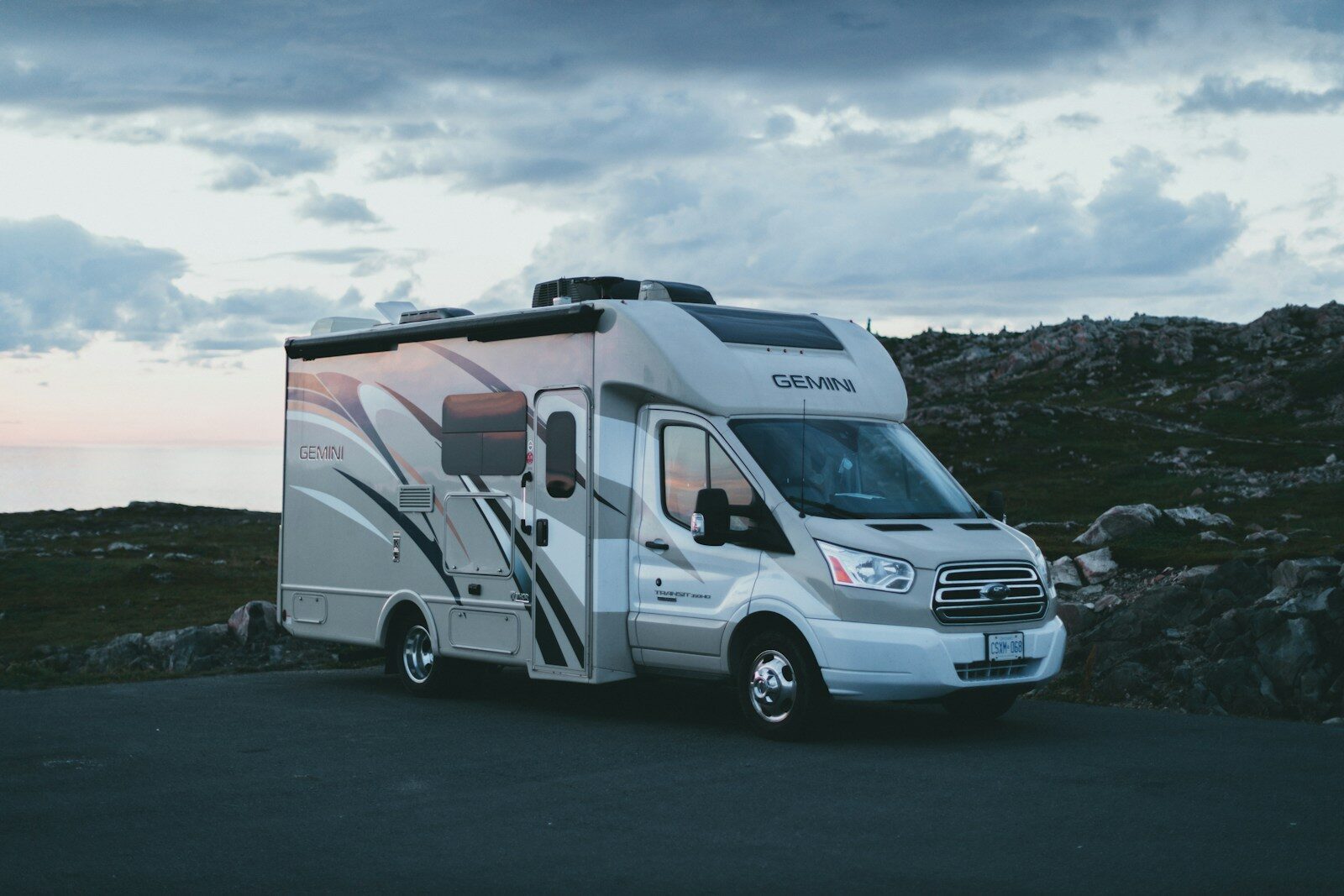
Why RV Theft Trends Differ From Standard Vehicles
Recreational vehicle (RV) ownership comes with a set of risks that may differ from those of everyday cars. Theft patterns for RVs follow different logic than those of passenger cars, and understanding those differences helps you build RV insurance coverage that matches how your RV is actually used.
How RV Theft Patterns Are Different
Passenger cars are often stolen for quick resale or parts. RVs may attract a different type of thief because of their size, storage capacity and the valuables typically kept inside them. Criminals often target RVs for the contents, not just the vehicle itself. Electronics, appliances, clothing, outdoor gear and personal items can represent a significant loss on top of the vehicle.
RVs are also frequently stolen during off-season storage when owners may check on them infrequently. That extended window of low oversight creates opportunities that do not exist with daily-use vehicles.
Why Standard Auto Coverage Falls Short
A standard auto policy is built around regular commuting and daily use. RV policies account for factors that a standard personal auto policy typically does not, including:
- Contents coverage—May help cover personal belongings stored inside the vehicle
- Attached accessories coverage—May help cover items such as awnings, satellite dishes and solar panels
- Additional living expenses coverage—May help full-time RV residents pay for lodging if their vehicle is stolen becomes uninhabitable due to a covered incident
- Total loss replacement options—May reflect the RV’s current market value at the time of a covered loss, including accounting for depreciation
Lacking suitable RV insurance could create coverage gaps, which may leave you covering theft-related losses out of pocket.
Covering Your Investment Before a Claim Happens
Contact Cadenas Insurance Agency to review your current RV coverage and confirm your policy reflects the way you store and use your vehicle. We proudly serve clients throughout Marietta, GA.
This blog is intended for informational and educational use only. It is not exhaustive and should not be construed as legal advice. Please contact your insurance professional for further information.
Categories: Sin categorizar, RV Insurance